Kilmainham Gaol Tickets Secrets
Nestled in the heart of Dublin, Kilmainham Gaol stands as a stark monument to Ireland's turbulent path toward independence, and unlocking its Kilmainham Gaol Museum tickets secrets begins with understanding the hidden layers behind those seemingly simple entry passes. These tickets are more than mere permissions to enter; they are keys to a labyrinth of forgotten whispers from prisoners who etched their defiance into stone walls. Built in 1796, the gaol initially housed petty criminals under a progressive separate system designed to reform through isolation, but it quickly devolved into a brutal symbol of British oppression. Securing Kilmainham Gaol Museum tickets grants access to cells where the air still carries echoes of shackled footsteps and midnight executions, offering a visceral connection to the 1916 Easter Rising leaders whose spirits linger in every corridor.
The true secrets of Kilmainham Gaol Museum tickets lie in their scarcity and the stories they conceal about the site's darkest chapters. During peak tourist seasons from May to September, demand surges as history buffs from around the world clamor for spots, often leading to sell-outs weeks in advance. Yet, savvy visitors know the subtle art of timing: early morning slots at 9:30 AM reveal the gaol in its quietest state, when sunlight filters through narrow barred windows, casting long shadows that mimic the prisoners' despair. One lesser-known tactic involves checking the official site mid-week for last-minute releases, a digital lottery born from cancellations by no-shows. These Kilmainham Gaol Museum tickets not only open physical doors but metaphorical ones, revealing how the prison evolved from a debtors' haven to a revolutionary crucible, holding figures like Robert Emmet, whose eloquent final speech before hanging in 1803 inspired generations.
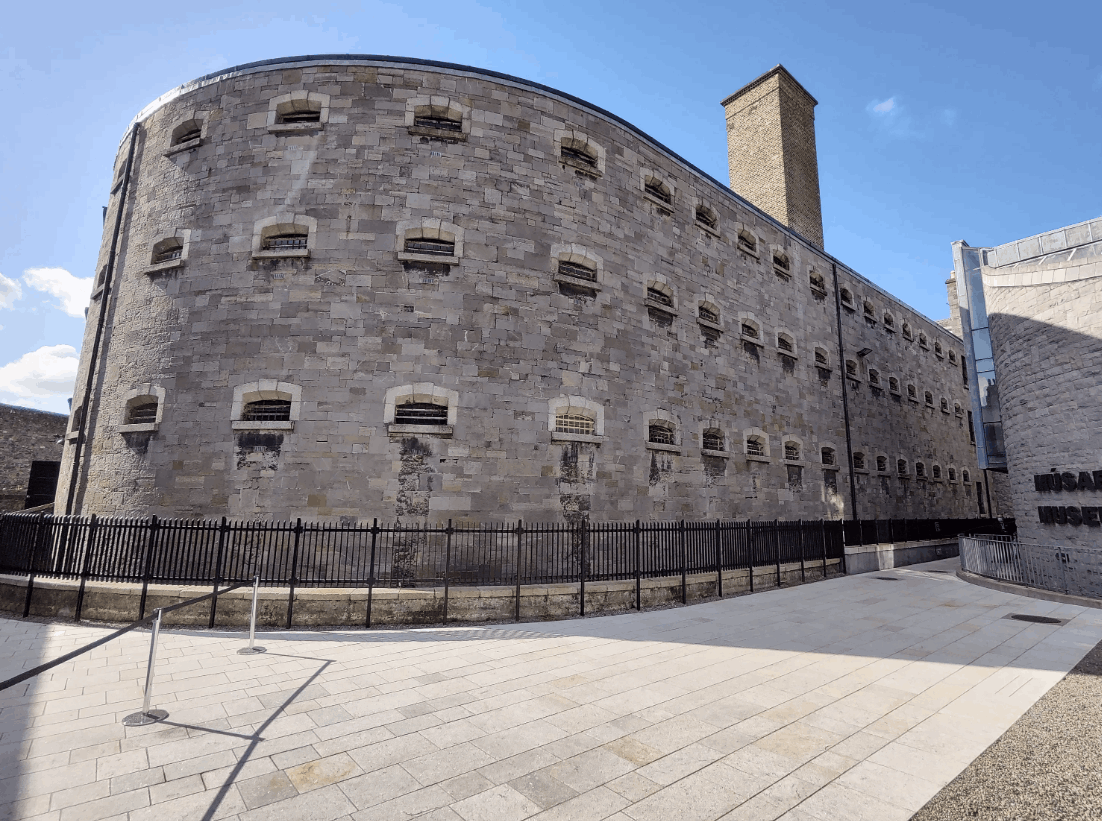
Delving deeper into Kilmainham Gaol Museum tickets secrets uncovers the gaol's architectural enigmas, designed by architect George Vaughan Jackson in a panopticon style for total surveillance. This layout ensured guards could oversee multiple levels from a central point, a psychological weapon amplifying isolation's torment. Tickets allow close inspection of these tiers, where graffiti from inmates like Joseph Plunkett—executed husband of Grace Gifford—survives as defiant poetry scratched with boot heels. Imagine standing in the East Wing, constructed in 1862, its lime-washed walls hiding the scars of over 150 hangings, including the poignant case of the Maamtrasna murders in 1882, where innocent Irish speakers were wrongfully convicted and silenced forever. Kilmainham Gaol Museum tickets thus become portals to these human tragedies, stripped of romanticism in their raw authenticity.
No exploration of Kilmainham Gaol Museum tickets secrets is complete without the clandestine tales of female prisoners, a facet often overshadowed by male revolutionaries. Women like Countess Markievicz, who endured the gaol's damp cells during the 1916 aftermath, left indelible marks on suffrage history. Her cell, viewable with your ticket, bears faint traces of resilience amid starvation and disease. Tickets also whisper of the gaol's closure in 1924, just after the Irish Free State's birth, when its last inmates included anti-treaty IRA members. Today, restoration efforts funded by public donations keep these secrets alive, with guides sharing oral histories passed down through families. Opt for audio-enhanced Kilmainham Gaol Museum tickets to hear reconstructed voices reciting poems from the stone chapel, where mass was said before dawn executions.
The experiential secrets embedded in Kilmainham Gaol Museum tickets extend to sensory immersion that no book can replicate. Feel the chill of unheated stone floors underfoot, a deliberate cruelty in Ireland's wet climate that bred tuberculosis among inmates. In the execution yard, tickets position you exactly where rifles fired on Easter Rising martyrs, the bullet-pocked wall a silent testament. Combine this with knowledge of hidden tunnels rumored beneath, used for clandestine meetings during the War of Independence, and your visit transcends tourism. For families, these tickets hold gentler secrets: child-friendly narratives about the gaol's role in famine relief efforts, when it sheltered starving souls before becoming a punishment site.
Practical mysteries of Kilmainham Gaol Museum tickets revolve around accessibility hacks for diverse visitors. Wheelchair users find ramps installed post-1966 museum conversion, but booking assisted tours unlocks back-of-house views, including conservation labs where artifacts like original irons are preserved. International travelers decode the ticket system's multilingual options, with apps translating plaques on the spot. Even in virtual form during pandemics, digital Kilmainham Gaol Museum tickets offered 360-degree tours, preserving access when physical gates closed. These adaptations ensure the gaol's secrets remain democratic, shared across borders.
Ultimately, the profoundest secret of Kilmainham Gaol Museum tickets is their power to forge personal reckonings with history's weight. Standing amid the hospital wing where Michael Collins' IRA comrades perished, visitors confront the cost of freedom—not in abstract terms, but through tangible remnants like bloodstained floors scrubbed clean yet unforgettable. As the gaol's tour culminates in its museum extension, filled with republican artifacts, ticket holders emerge transformed, carrying invisible souvenirs of sacrifice. In an era of fleeting digital distractions, these tickets safeguard a sacred pause, inviting reflection on Ireland's unyielding spirit. Whether you're tracing ancestral roots or seeking universal lessons in resilience, Kilmainham Gaol Museum tickets hold the eternal secrets of a nation's soul, waiting for those patient enough to listen.